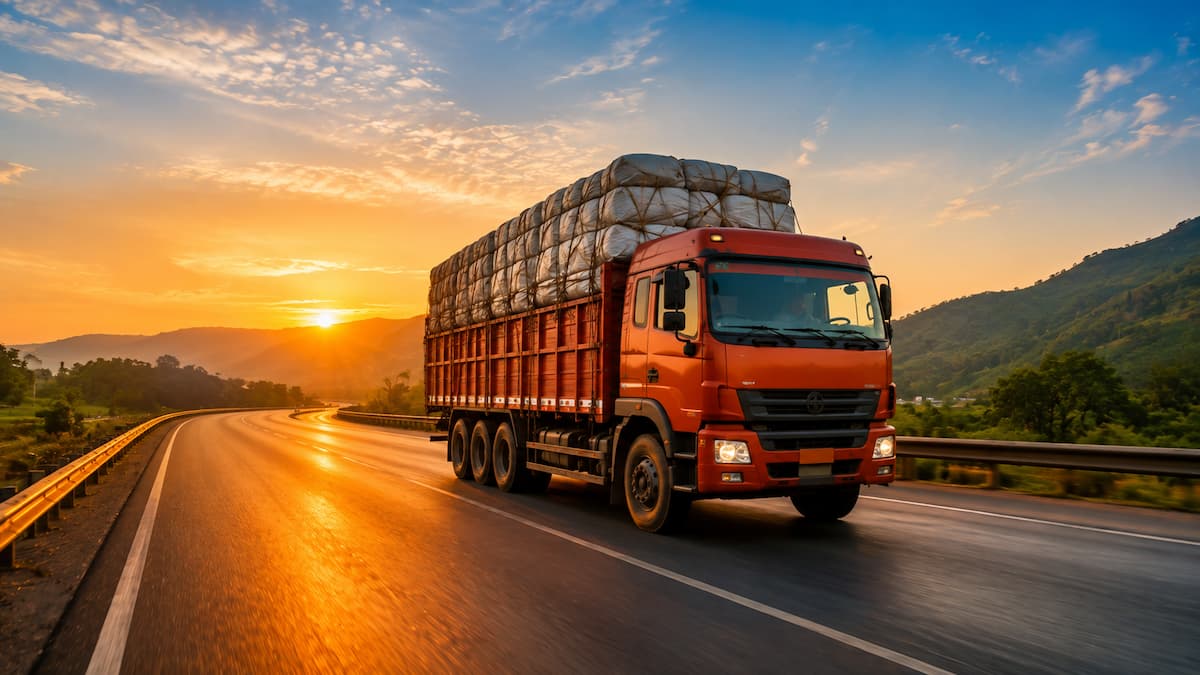

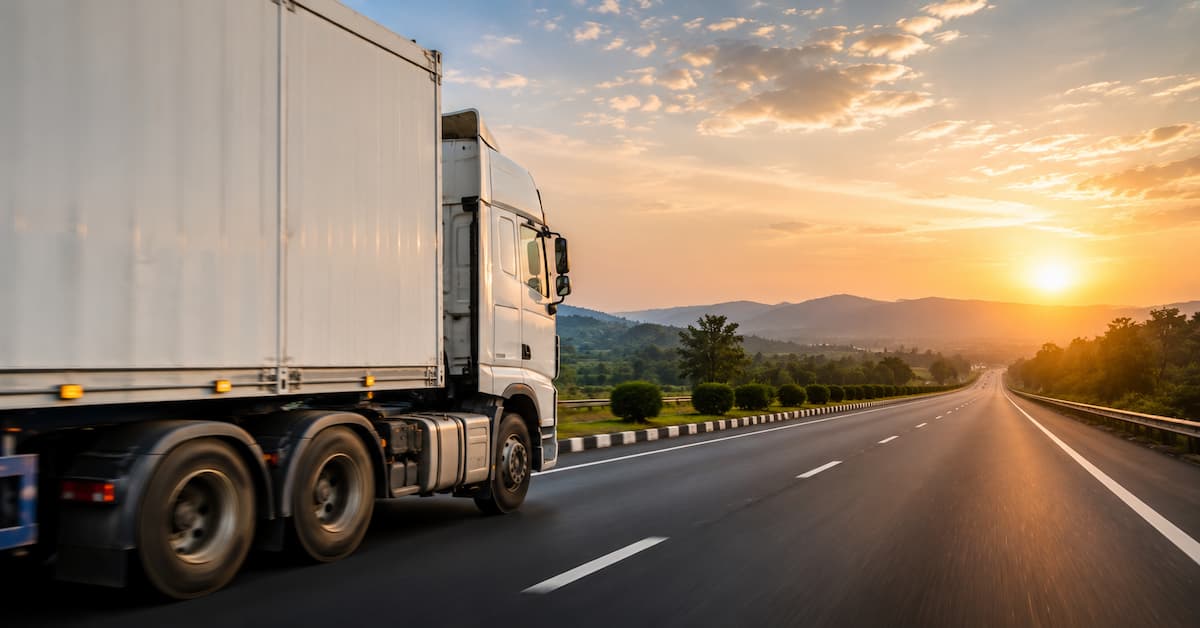
Your cargo needs to move from Mumbai to Delhi. Or Ahmedabad to Kolkata. Or Pune to a remote warehouse in Rajasthan. Road transport is how 65% of India's freight gets there — and for good reason. It reaches every pin code that air and sea cannot.
But road freight in India comes with complexity — three different load types, mandatory GST compliance, and a transporter market where quality varies wildly. This guide cuts through all of it so you can ship smarter, reduce damage risk, and stay compliant every time.
FTL, LTL or PTL — Which Road Freight Mode is Right for You?
Before you book a truck, you need to understand the three models that India's road freight market runs on.
FTL — Full Truck Load means the entire truck is booked exclusively for your shipment. Even if your goods fill only half the truck, no other cargo rides with yours. FTL is fastest because the truck moves directly from origin to destination with no intermediate stops. It is the safest option since handling is minimal. Best suited for shipments above 5 tonnes or when you are moving high-value, fragile, or time-sensitive goods.
LTL — Less than Truck Load means your cargo shares space with other shippers' goods. You pay only for what you use — typically for shipments under 2,000 kg. Cost-effective for frequent, smaller dispatches. The trade-off is longer transit time and more handling touchpoints, which slightly increases damage risk.
PTL — Part Truck Load sits between FTL and LTL, typically for shipments between 2 and 10 tonnes. You share the truck but occupy a larger, defined portion. A practical middle ground when your volume is too large for LTL but too small to justify a full truck.
Quick decision rule: if your load exceeds 70% of a truck's capacity, FTL is often cheaper than PTL or LTL once you factor in handling and transit time costs.
E-Way Bill in 2026: What Every Shipper Must Know
The E-Way Bill is the single most important compliance document for road freight in India. Get it wrong and your goods can be detained at a state checkpoint — with penalties starting at Rs. 10,000 or the tax amount evaded, whichever is higher, plus possible vehicle seizure.
Here is what the current rules require:
- An E-Way Bill is mandatory for goods valued above Rs. 50,000 moving across state borders
- It must be generated before the shipment moves on the GST E-Way Bill portal
- Validity is 1 day per 200 km for regular cargo — plan your route accordingly
- From January 2026, E-Way Bills can only be generated for documents dated within 180 days of generation
- From July 2026, a second E-Way Bill portal (ewaybill2.gst.gov.in) is live for redundancy
For multi-state routes — say, Pune to Delhi crossing Maharashtra, Madhya Pradesh and Uttar Pradesh — the E-Way Bill must remain valid for the entire journey duration. Always verify validity before dispatch, not after.
Documents Required for Interstate Road Freight in India
Keep these ready before your shipment moves:
- E-Way Bill — mandatory for goods above Rs. 50,000
- Lorry Receipt (LR) — the consignment note issued by the transporter
- Tax Invoice or Delivery Challan — proof of goods and value
- Packing List — itemised contents of the consignment
- Cargo Insurance Certificate — strongly recommended for high-value goods
Note: A Goods Transport Agency (GTA) — any logistics company that issues a consignment note — has specific GST obligations. Most organised logistics providers operate as GTAs, which means GST applies to the freight bill. Always confirm this with your provider before booking to avoid surprises on your invoice.
How to Choose a Road Transport Provider in India
India has hundreds of thousands of truckers — from owner-operators with a single vehicle to large fleet operators. Here is how to separate reliable partners from risky ones:
- Network coverage: Do they actually serve your specific origin and destination? Many transporters cover metros but not tier-2 or remote locations.
- GPS tracking: Real-time tracking updates every 15–30 minutes on major routes is now standard with quality providers. Avoid anyone who offers only driver-call updates.
- Fleet condition: Age and maintenance of vehicles directly impacts transit time reliability and cargo safety.
- Insurance coverage: Confirm cargo insurance is included or available as an add-on. Standard carrier liability is far below the actual value of most shipments.
- On-time track record: Ask for average on-time delivery rates on your specific route before committing.
5 Practical Ways to Reduce Cargo Damage on Road
- Right-size your packaging. Oversized boxes shift inside the truck. Use packaging that fits the product snugly with minimal void fill.
- Use route-appropriate materials. Corrugated boxes for standard goods, bubble wrap for fragile items, wooden crates for machinery or high-value equipment.
- Choose FTL when the cargo warrants it. Every additional handling touchpoint in LTL is an opportunity for damage. For fragile or high-value goods, the cost difference is rarely worth the risk.
- Secure goods inside the truck. Strapping, palletising, and blocking prevent shifting on long-distance routes.
- Buy cargo insurance. It typically adds less than 1% to your total freight cost and removes 100% of your financial risk.
Road Freight Pricing: What You Are Actually Paying For
Road freight rates in India vary by distance, load type, truck type, route demand, fuel prices, and seasonal factors. Base rates are published but actual costs include tolls, loading and unloading charges, fuel surcharges, and detention charges if your truck waits longer than agreed at pickup or delivery.
The safest approach: always get a written, itemised quote with all inclusions clearly listed before you confirm. An apparently cheap rate that hides tolls and handling fees will cost you more in the end.
Digital platforms like Shift My Cargo's road transport service give you transparent, all-inclusive pricing upfront — no hidden line items when the invoice arrives.
Why Businesses Choose Shift My Cargo for Road Transport
Shift My Cargo operates a 24/7 road transport network across India — covering every metro city, tier-2 hub, and remote location that your business needs to reach.
- 38 offices PAN-India — local expertise on every major route
- Real-time GPS tracking from pickup to delivery
- Free pickup coordinated from your premises
- Full documentation support including E-Way Bill assistance
- FTL, LTL and PTL options — matched to your exact shipment size
- Transparent pricing — all-inclusive quotes, no surprises
Whether you are shipping 500 kg or 50 tonnes, our logistics team manages the entire process — so you focus on your business, not your freight. Get a free road transport quote online in minutes.
Also explore our air freight solutions for time-critical shipments, sea freight for high-volume cargo, and customs clearance for international movements. For emergency cargo, our Next Flight Out service delivers anywhere in India within 12 hours.