
You have 8 tonnes of goods that need to move from Pune to Delhi in three days. Your colleague has 2 tonnes going on the same route. Your supplier has half a truck of FMCG stock heading to Jaipur every week. Three different businesses. Three different needs. And three completely different answers to the question: which truck should I book?
This is the kind of decision that quietly determines whether your logistics costs are under control or quietly eating your margins. Most businesses learn the difference between FTL, LTL, and PTL the hard way — by paying FTL rates for a half-empty truck, or by accepting damaged goods because their cargo was handled too many times in an LTL consolidation.
This guide explains each mode clearly, gives you real 2026 pricing so you can actually compare, and tells you exactly which one fits your specific situation.
FTL — Full Truck Load: When the Whole Truck Is Yours
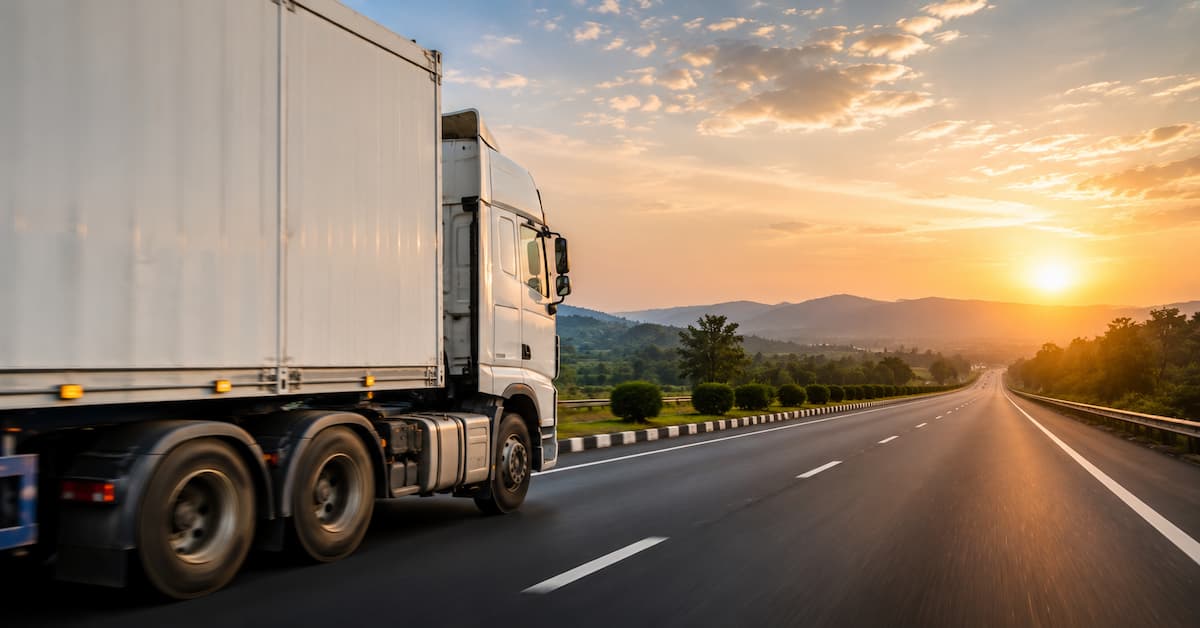
FTL means exactly what it says. You book an entire truck — exclusively for your cargo. Nobody else's goods share the space. The truck is loaded at your premises, sealed, and driven directly to the destination without stopping to pick up or drop off other shipments along the way.
This directness is the biggest advantage of FTL. Your cargo is handled twice — once when it goes in, once when it comes out. There are no intermediate sorting hubs, no consolidation centres, no risk of your pallet being moved around to make room for someone else's cargo. The truck goes from your door to their door, and that is it.
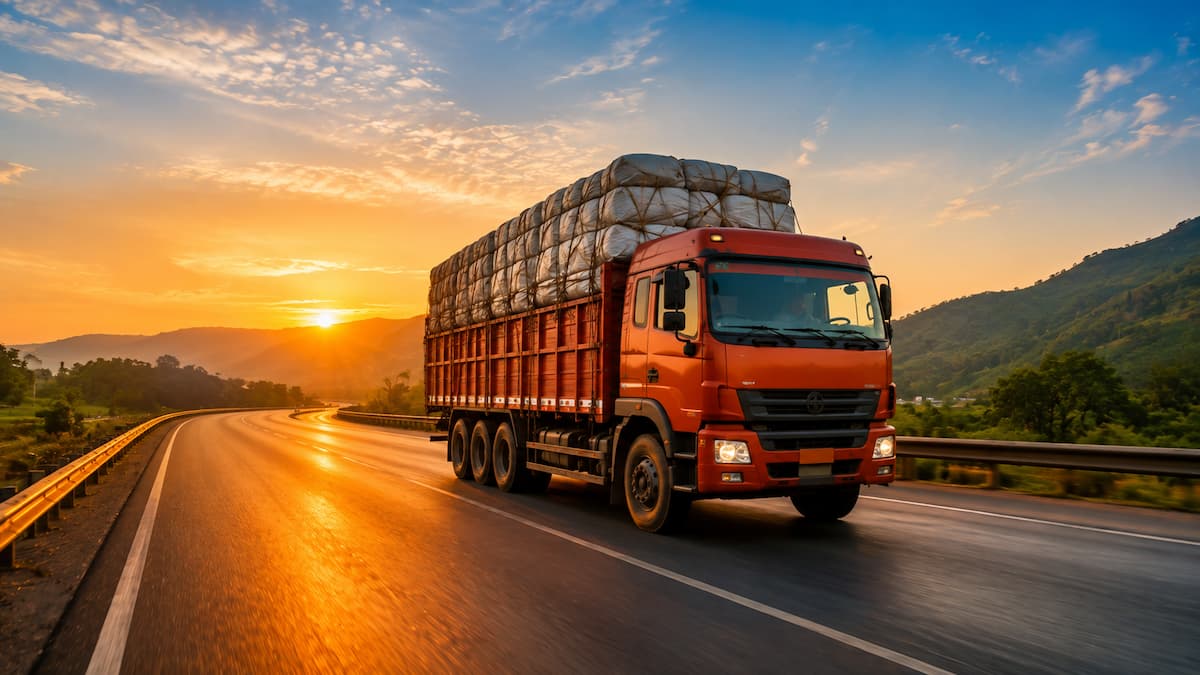
FTL trucks in India range from small 14-foot vehicles carrying 3 to 5 tonnes, to 22-foot trucks taking 10 to 12 tonnes, all the way to 32-foot multi-axle trailers carrying 20 to 25 tonnes. You book based on the weight and volume of your cargo, not on which size happens to be available.
Real pricing example: FTL road freight in India costs approximately ₹40 to ₹60 per km for a standard 10-tonne truck. A Pune to Delhi route of approximately 1,400 km would cost ₹56,000 to ₹84,000 for a full truck, regardless of whether your cargo fills 60 percent or 100 percent of the space.
This is where many businesses go wrong — they book FTL when their cargo does not actually justify it, paying for empty space. The rule of thumb: if your load occupies more than 70 to 75 percent of a truck's capacity, FTL is almost always more cost-effective than PTL or LTL on the same route.
FTL is the right choice when:
- Your cargo weighs more than 8 to 10 tonnes or fills most of a truck
- You are shipping high-value, fragile, or sensitive goods that cannot be co-loaded
- You need the fastest possible road transit — no stops, direct delivery
- Your cargo cannot be mixed with other goods — hazardous materials, food products requiring contamination control, or pharmaceutical cargo
- You ship regularly on the same lane and can negotiate a dedicated vehicle contract
LTL — Less Than Truck Load: Share the Space, Share the Cost
LTL is the opposite model. Your cargo shares a truck with shipments from multiple other businesses. You pay only for the space and weight your goods actually occupy — not for the whole truck. A logistics company or transporter consolidates multiple LTL shipments into one vehicle, collects from each shipper, and delivers to each destination separately.
The cost advantage is clear. A 500 kg shipment going from Mumbai to Hyderabad might cost ₹4,000 to ₹7,000 via LTL, versus ₹35,000 to ₹50,000 for an FTL truck on the same route. For small, regular shipments, LTL makes obvious financial sense.
The trade-off is handling. Your cargo is loaded at origin, moved to a consolidation hub, sorted, reloaded, potentially moved through another hub at the destination city, and then delivered to your consignee. Each additional touchpoint is an opportunity for damage, delay, or misrouting. For robust, non-fragile goods in proper packaging, this is not a major concern. For fragile or high-value items, every additional handling event is a risk.
Transit time on LTL routes is also longer than FTL — typically 2 to 4 days longer on major corridors — because the truck makes multiple stops and the consolidation process takes time at both ends.
Real pricing example: LTL freight in India costs approximately ₹4 to ₹8 per kg for standard cargo on major routes, with a minimum chargeable weight of 50 to 100 kg at most transporters. A 300 kg shipment from Delhi to Chennai might cost ₹2,400 to ₹3,600 via LTL versus ₹55,000 to ₹75,000 for a dedicated FTL truck.
LTL is the right choice when:
- Your shipment is under 3 to 4 tonnes and well under half a truck
- Delivery timeline is flexible — 3 to 5 day transit is acceptable
- Your goods are robust, well-packaged, and not fragile or high-value
- You ship smaller volumes frequently rather than large volumes occasionally
- You are testing a new market and not yet shipping enough volume to justify dedicated transport
PTL — Part Truck Load: The Middle Ground That Most Businesses Miss
PTL sits between LTL and FTL — and it is the option that Indian businesses most commonly overlook. Your cargo shares a truck with other shippers, like LTL, but you occupy a defined, larger portion of the vehicle — typically between 1 and 6 tonnes, or 6 to 15 pallets.
The key difference from LTL: in PTL, your cargo usually stays on the same truck for the entire journey. It is not routed through multiple consolidation hubs. The truck picks up from 2 to 4 shippers, delivers to their respective destinations, and that is it. Less handling than LTL, lower cost than FTL.
For Indian MSMEs — the businesses shipping 1 to 6 tonnes regularly on domestic routes — PTL is often the single most cost-effective option, and yet it is the least understood of the three modes. Shared trucking via PTL can reduce your logistics spend by up to 30 percent compared to booking partial FTL on the same route.
Real pricing example: PTL freight costs approximately ₹5 to ₹8 per tonne-km in India. A 3-tonne shipment from Bangalore to Mumbai covering approximately 980 km would cost roughly ₹14,700 to ₹23,500 via PTL — significantly cheaper than FTL and faster than LTL.
PTL is the right choice when:
- Your cargo is between 1 and 6 tonnes — too large for LTL rates, too small for a full truck
- You need faster transit than LTL but cannot justify FTL pricing
- Your goods are moderately fragile — PTL means less handling than LTL
- You are an MSME with regular domestic shipments needing a consistent, cost-controlled option
The E-Way Bill — Non-Negotiable for Road Freight Above ₹50,000
If you are shipping goods valued above ₹50,000 across state borders in India by road, you need an E-Way Bill — no exceptions. This is an electronic document generated on the GST portal before your shipment moves. Without it, your cargo can be detained at state checkpoints, and penalties start at ₹10,000 or the tax evaded, whichever is higher.
E-Way Bill validity runs at 1 day per 200 km — so a Delhi to Mumbai shipment covering approximately 1,400 km needs a validity of at least 7 days. Always verify that your E-Way Bill will remain valid for the full journey duration before your truck departs.
At Shift My Cargo, our logistics team handles E-Way Bill generation and documentation as part of the booking process — you do not need to manage this separately.
Road Freight Pricing in India — What Affects the Final Rate
Road freight rates in India are not fixed. Several factors push the final price up or down from the base rate — and understanding them helps you negotiate better and plan your logistics budget accurately.
Distance and route: Base rates per km vary by route. High-traffic corridors like Delhi-Mumbai and Bangalore-Chennai have more competition and generally lower rates. Remote routes with fewer return loads cost more because transporters need to factor in the empty return journey.
Fuel prices: Diesel directly drives trucking costs. A 10 percent rise in diesel typically adds 5 to 7 percent to freight rates. Many transporters charge a fuel surcharge that adjusts monthly — always confirm if this is included in your quote.
Empty miles: "Empty miles" — trucks returning empty after delivery — are the biggest cost drain in Indian road logistics. Routes where trucks can easily find return loads (Delhi-Mumbai, for example) have naturally lower rates because transporters are willing to discount outward rates knowing they can recover on the return leg.
Seasonal demand: Rates spike during peak agricultural and festive seasons — October to December especially — when truck availability drops sharply as harvest cargo fills available capacity. Booking 2 to 3 weeks in advance during peak season can save 15 to 25 percent versus spot bookings.
Waiting charges and detention: If your truck waits more than the agreed free time at pickup or delivery — typically 2 to 4 hours — detention charges apply at ₹200 to ₹500 per hour. These add up quickly on busy sites. Coordinate loading and unloading schedules before the truck arrives.
How to Cut Your Road Transport Costs — 4 Practical Actions
1. Match mode to volume every single time. The most common waste in road logistics is booking FTL out of habit when PTL or LTL would cost 30 to 40 percent less. Review each shipment against the decision criteria above before booking.
2. Consolidate shipments going to the same region. Three separate LTL bookings going to three warehouses in the same city in the same week can almost always be consolidated into one PTL or FTL with a lower total cost and fewer handling risks.
3. Book in advance — especially during peak seasons. Spot bookings at the last minute cost 10 to 20 percent more than advance bookings on most corridors. Building a 48 to 72 hour planning window into your dispatch process pays for itself within weeks.
4. Use a digital freight platform. Traditional freight agents charge commissions of 10 to 20 percent on top of carrier rates without transparency. Digital platforms like Shift My Cargo give you direct access to carrier rates with all-inclusive pricing — no hidden agent markups, no surprises on invoice.
Frequently Asked Questions — Road Transport India
Q1. What is the difference between FTL, PTL and LTL in road transport?
FTL (Full Truck Load) means you book an entire truck exclusively for your cargo — ideal for large shipments above 8 to 10 tonnes. PTL (Part Truck Load) means your cargo shares a truck with 1 to 3 other shippers but stays on the same vehicle throughout — best for 1 to 6 tonne shipments. LTL (Less than Truck Load) routes your cargo through consolidation hubs with multiple other shippers — most economical for small shipments under 1 to 2 tonnes but involves more handling and longer transit times.
Q2. How much does road freight cost in India in 2026?
FTL rates average ₹40 to ₹60 per km for a standard 10-tonne truck. PTL costs approximately ₹5 to ₹8 per tonne-km. LTL rates average ₹4 to ₹8 per kg with a minimum chargeable weight. Final rates depend on route, seasonal demand, fuel prices, and additional charges like toll, detention, and loading. Always get an all-inclusive quote from Shift My Cargo that covers all charges before commitment.
Q3. Is E-Way Bill mandatory for all road freight in India?
E-Way Bill is mandatory for goods valued above ₹50,000 moving across state borders by road. It must be generated on the GST portal before the shipment moves, and its validity must cover the full journey — calculated at 1 day per 200 km of distance. Shift My Cargo handles E-Way Bill generation as part of the booking process.
Q4. How do I choose between FTL and PTL for my shipment?
If your cargo fills more than 70 to 75 percent of a truck, FTL is usually more cost-effective. If your cargo is between 1 and 6 tonnes, PTL typically offers the best balance of cost and transit time. If your cargo is under 1 tonne and transit time flexibility exists, LTL is the most economical. When in doubt, call our team — we will assess your specific shipment and recommend the right mode.
Q5. What documents do I need for interstate road freight in India?
For interstate road freight, you need a Commercial Invoice or Delivery Challan, Packing List, Lorry Receipt (issued by the transporter), and an E-Way Bill for goods valued above ₹50,000. For certain goods categories — hazardous materials, food products, pharmaceuticals — additional permits or certifications may be required. Shift My Cargo's team will confirm all documentation requirements at the time of booking.
Q6. How long does road freight take from Mumbai to Delhi?
The road distance from Mumbai to Delhi is approximately 1,400 km. FTL transit time is typically 36 to 48 hours for a direct truck. PTL transit is 48 to 72 hours. LTL through consolidation hubs can take 4 to 6 days depending on the transporter's network and hub schedules. For urgent requirements, air freight delivers in 2 to 3 hours.
Q7. Does Shift My Cargo offer 24/7 road transport across all Indian states?
Yes. Shift My Cargo operates a 24/7 road transport network covering all major metro cities, Tier-2 hubs, and remote locations across India. With 38 offices PAN-India, we have local presence on every major freight corridor. FTL, PTL, and LTL options are available on all domestic routes. Get a free road transport quote online — our team responds within 10 minutes.